

Deciding to move to Workday Adaptive Planning is the straightforward part. The harder question is what happens next: how do you get from sign-off to a finance team that actually runs the platform themselves, without a consultant on call every time something needs to change?
That question sits at the centre of how Mero approaches every implementation. Our goal isn’t to deliver a working system and walk away. It’s to leave your team fully capable of running, adapting, and extending the platform on their own. Here’s what that looks like in practice.
We don’t do “Big Bang” implementations
The most common mistake in platform implementations is trying to do everything at once. A full rollout of every model, every entity, every integration, all simultaneously, creates complexity that’s difficult to test, hard to course-correct, and slow to deliver value.
Mero recommends a phased approach instead. We prioritise delivery based on business criticality: core P&L and balance sheet models first, then workforce, sales, or cashflow planning as the organisation is ready. Each phase has clearly defined milestones and formal sign-off points before work progresses.
The practical benefit is that your team sees a return on investment early. You receive value within the first phase and provide feedback that sharpens each subsequent stage. Problems surface when they’re still manageable, not six months down the track when the full build is nearly complete.
The build phase is also the training phase
Most implementations treat knowledge transfer as something that happens at the end: a handover session before the consultant leaves. We don’t.
Throughout the build, your staff work alongside Mero consultants. They’re not observers; they’re active participants in constructing the models. That means by the time we move into advisory and validation mode, your team already understands the architecture, knows where to look when something needs adjusting, and can make changes without picking up the phone.
This approach has a measurable effect on long-term cost. Teams that are trained during the build, not after it, carry far lower ongoing consulting costs and total cost of ownership. They can respond to business change on their own terms.
Sport New Zealand’s finance team put it well: Mero didn’t just build a solution to fit their needs. They also connected them with other organisations using the platform, accelerating the team’s ability to develop their own best-practice approach to budgeting and forecasting.
A methodology built for accountability, not just delivery
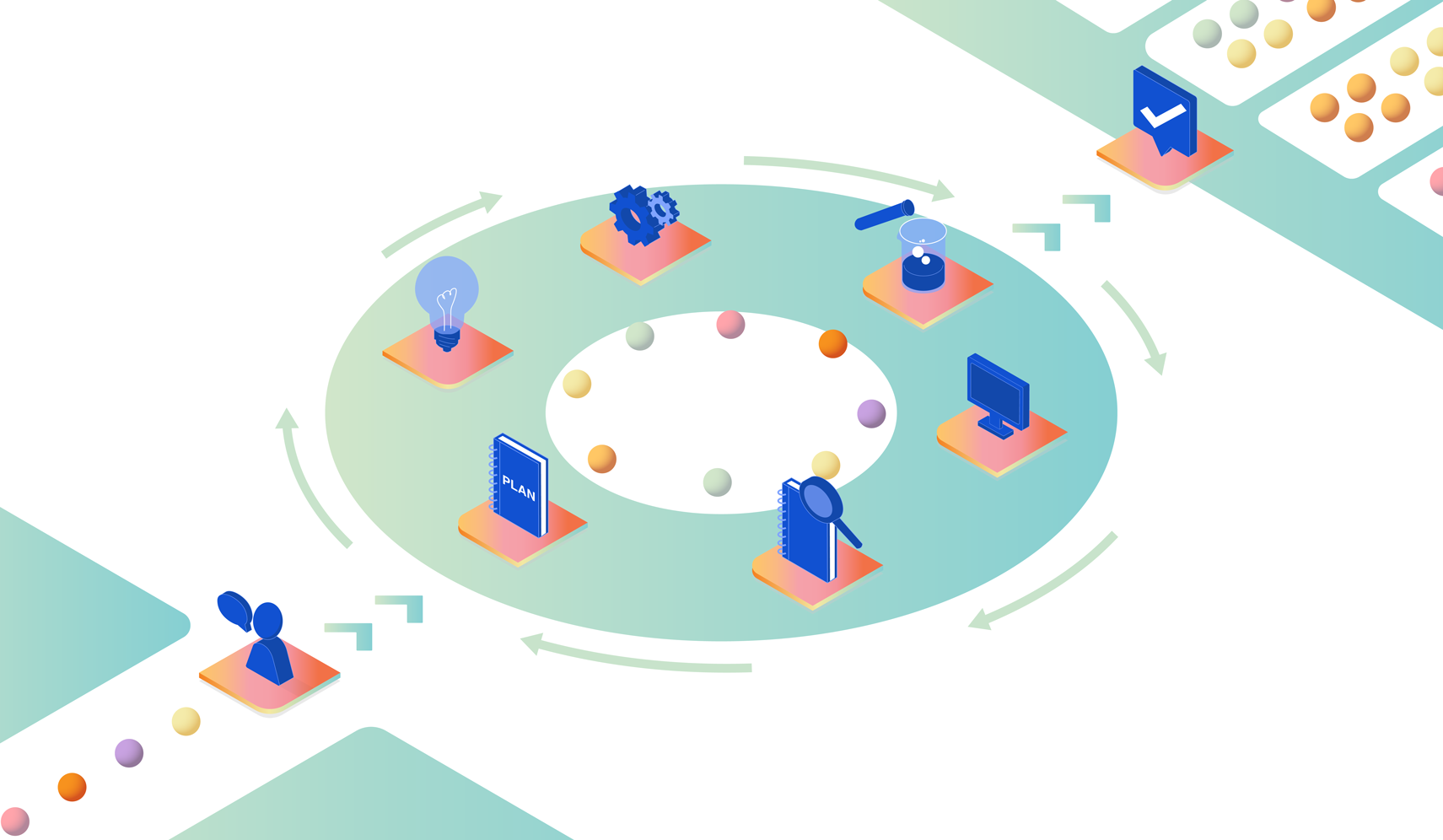
Mero uses an agile prototyping methodology that runs through a repeatable cycle for each project phase: Plan, Workshop, Prototype, Trial, Present, and Review. Build work is split into sprints, with requirements validated through continuous feedback rather than a single sign-off at the end.
As the project progresses through its phases, development responsibility shifts, deliberately, from Mero toward your internal team. By the final phases, Mero’s role is advisory and validating. Your team is running the work.
This shift in responsibility isn’t incidental. It’s the point.
Risk doesn’t manage itself
Scope creep and data quality issues are the two most common reasons implementations run over time and over budget. Mero addresses both directly.
Early collaborative workshops build alignment before any technical work starts: on scope, on data, on what success looks like. Dedicated data engineering capability handles complex integrations and ensures data integrity from the outset, rather than discovering data problems mid-build. And shared issue tracking through tools like Jira keeps both teams accountable and communication transparent throughout.
The result is a project that moves at pace without accumulating the kind of hidden risk that tends to surface at the worst possible moment.
What clients say
Resene’s CFO, Mike Durkin, was direct about his experience: “I trusted Mero at the outset. It was the company that sold it for us, but as soon as we saw what it could do, we thought: OK, it really is a good tool.”
Orion Health’s CIO, Johan Vendrig, noted the operational impact: Workday Adaptive Planning accelerated month-end reporting and made it possible to implement changes faster, with decisions becoming better informed as a result.
These aren’t outcomes that follow automatically from the software. They follow from how an implementation is run.
The measure of a good implementation
A good implementation ends with your team in control. Not dependent on ongoing consulting, not unsure how to adapt the platform as the business changes, and not looking back at a costly project with mixed results.
That’s the standard Mero holds itself to. And it’s the standard you should hold any implementation partner to before you begin.
If you’re ready to take the next step, get in touch with the Mero team. We’re happy to talk through what an implementation would look like for your organisation.
Frequently asked questions
Timelines vary depending on the complexity of your organisation and the scope of models being built. A phased implementation, starting with core P&L and balance sheet models, can deliver working results within weeks of project commencement. Subsequent phases are scoped and sequenced based on your priorities. Workday Adaptive Planning is designed to deploy quickly relative to traditional enterprise planning tools, and Mero’s pre-built model templates accelerate that further.
A big bang implementation attempts to deliver everything at once: all models, all integrations, all users, in a single go-live. The risk is high. Problems are harder to detect, harder to fix, and take longer to surface. A phased approach breaks the project into manageable stages, each with defined milestones and sign-off points. You receive value earlier, feedback shapes each subsequent phase, and risk stays contained. Mero recommends phased delivery for every implementation.
Not if the implementation is done properly. Mero’s approach is explicitly designed to leave your team self-sufficient: capable of running, modifying, and extending the platform without ongoing external reliance. Your staff work alongside Mero consultants during the build, not just at the end. By go-live, they understand the models they helped construct. Ongoing support is available if you want it, but it should be a choice, not a dependency.